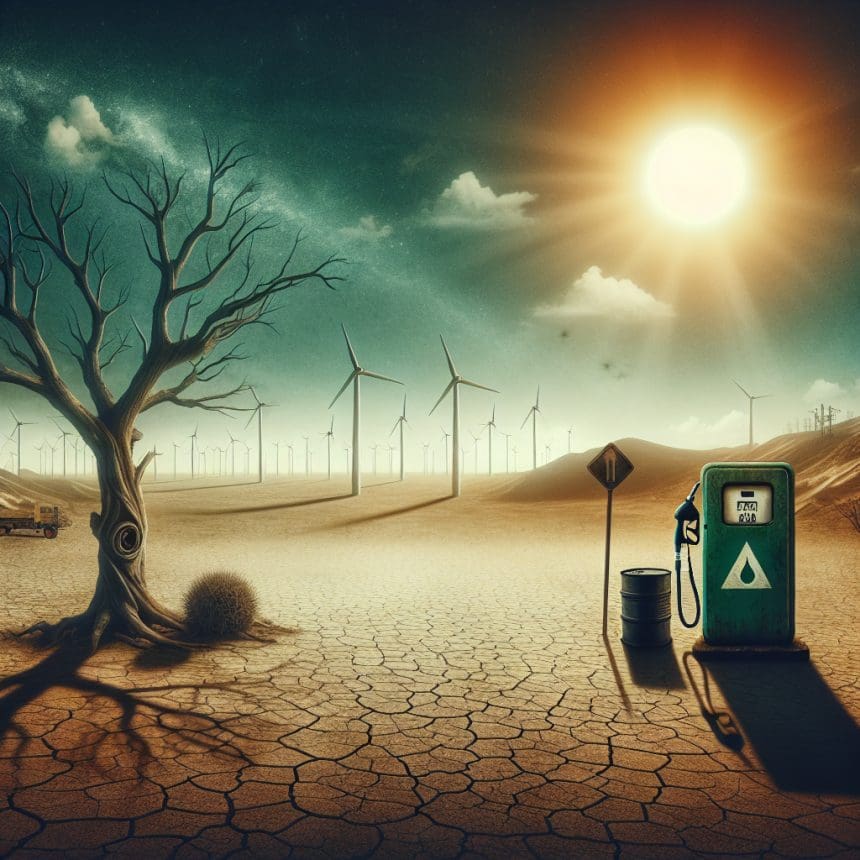
Headline: Energy Crisis Escalates: A New Era of Shortages Looms
As the global energy crisis deepens, experts warn that the worst is yet to come. With rising demand and escalating geopolitical tensions, nations worldwide faced unprecedented challenges in securing energy resources. This alarming trend became particularly evident in a recent report released by the International Energy Agency (IEA) on October 5, 2023. With temperatures fluctuating and winter approaching, countries are scrambling for sustainable solutions as traditional energy supplies dwindle.
Global Energy Demands Surge
The growing demand for energy is driven by several factors, including population growth, economic recovery post-pandemic, and the transition to renewable sources. As economies ramp up production and energy use rebounds, the race to secure reliable power sources is intensifying. According to the IEA, global energy consumption is projected to increase by 6% in the next year alone, putting significant pressure on current supply chains.
Geopolitical Tensions and Supply Disruptions
The backdrop of this energy crisis is further complicated by geopolitical factors. The ongoing conflict in Eastern Europe, particularly the tensions between Russia and Ukraine, has disrupted natural gas supplies. Important pipelines have been damaged, and sanctions have limited exports, particularly to Europe, which relies heavily on Russian gas. Such disruptions have led to skyrocketing energy prices, prompting fears of potential energy shortages as winter approaches.

Industries Feeling the Pinch
The consequences of the energy crisis are already being felt across various sectors. Manufacturing industries, particularly those reliant on energy-intensive processes, are bracing for turbulent times ahead. Reports indicate that major companies are starting to scale back production due to soaring energy costs, which could lead to widespread job losses and increased inflation rates.
Moreover, the transportation sector is not immune. Rising fuel prices are impacting logistics, with trucking companies warning of potential delays and increased shipping costs to consumers. In essence, the ramifications of this energy crisis extend far beyond just utility bills; they threaten the stability of global supply chains and consumer markets.
Transitioning to Renewable Energy
Amidst the turmoil, the crisis also presents a pivotal moment for the renewable energy sector. Many governments are accelerating their plans to transition away from fossil fuels in response to prolonged energy instability. According to a recent survey, 73% of executives believe that the current crisis will hasten investments in renewable technologies. Solar and wind energy, in particular, are seen as vital components in achieving energy independence.
However, this transition requires substantial investment in infrastructure, technology, and workforce training—a challenge many countries are not yet equipped to tackle. Experts caution that while a shift toward renewables is crucial, it will take time to build out the necessary facilities and systems needed to diversify energy sources.
Consumer Impact and Energy Efficiency
The rising energy costs are affecting consumers directly. With winter fast approaching, households are bracing for steep increases in heating bills. Analysts project that utility costs could soar by 30-50% in some regions compared to last year. As energy prices rise, consumers are urged to implement energy-saving methods to offset costs. Simple actions such as using energy-efficient appliances, sealing drafts, and adjusting thermostats can make a significant difference in energy consumption and utility expenses.
Government and Regulatory Response
Governments are under pressure to respond proactively to the ongoing crisis. Some are exploring measures to provide financial relief to consumers while pushing for accelerated investments in renewable energy. Programs aimed at promoting energy efficiency and conservation may also emerge to help mitigate the impacts of rising costs.
The U.S. government, for example, has announced initiatives to boost domestic energy production from renewable sources and reduce reliance on foreign imports. However, experts warn that short-term fixes should not overshadow the importance of long-term strategies aimed at fostering a sustainable energy economy.
The Path Ahead
As we navigate this escalating energy crisis, experts emphasize the importance of cooperation and innovation among nations. Collaborative efforts to improve energy infrastructure, share technology, and establish robust supply chains for renewable resources will be essential.
Additionally, addressing energy inequality is vital. As low-income households disproportionately bear the brunt of rising energy costs, equitable solutions must be prioritized to ensure that all citizens can access reliable energy sources, especially during peak demand periods.
Conclusion: Preparing for the Future
The energy crisis may have only just begun, but it serves as a warning sign for industries, governments, and consumers alike. As we face unprecedented challenges in energy supply and demand, now is the time for strategic planning and innovative approaches to ensure energy security for future generations. The urgency for change is palpable—how we respond will determine not only the fate of our economy but the health and wellbeing of our global community.
As we look ahead, embracing renewable technologies and investing in energy efficiency will be critical paths toward a sustainable future. The energy landscape is changing, and those who adapt quickly and strategically will be best positioned to thrive in this new reality.