

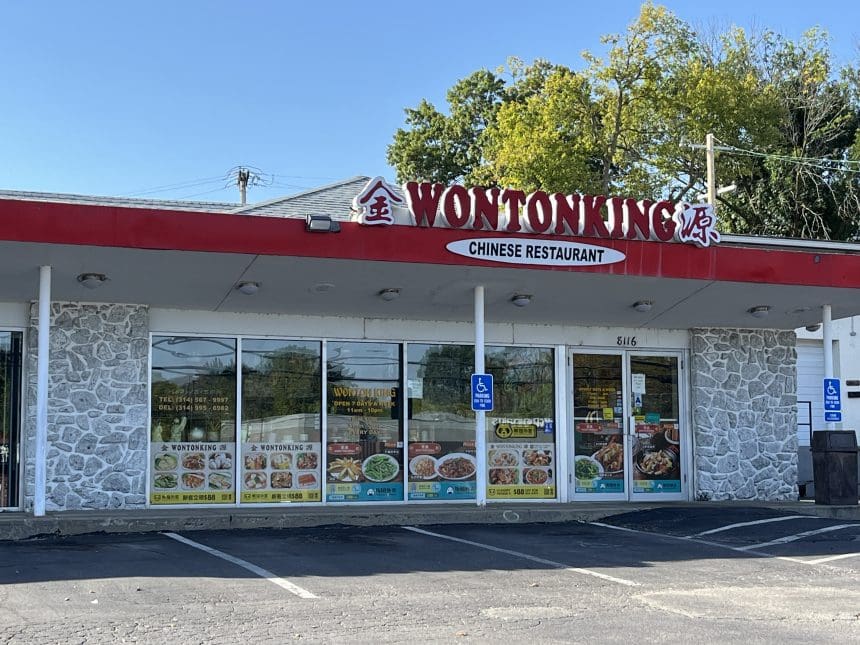
Wonton King in University City continues to earn recognition for its authentic Cantonese cuisine, dim sum tradition, and catering.
The restaurant has built a strong reputation over decades through consistency, quality, and cultural authenticity.
Its influence highlights the growing demand for traditional global dining experiences across the St. Louis region.
ST. LOUIS, MO – A Respected Name in Authentic Chinese Dining
UNIVERSITY CITY, MO (STL.News) In a region where dining trends frequently evolve, few restaurants have maintained a steady reputation for authenticity and quality quite like Wonton King. Located in University City, the restaurant has become widely recognized as one of the most respected destinations for traditional Cantonese cuisine in the St. Louis area.
This recognition is not the result of short-term popularity. Instead, it reflects decades of dedication to culinary craftsmanship, cultural integrity, and a consistent dining experience that has resonated with both local residents and visitors seeking something beyond typical Americanized Chinese food.
Wonton King represents more than a place to eat—it reflects a broader shift in how diners in St. Louis have come to appreciate global cuisine. CLICK to ORDER ONLINE
A Vision Rooted in Authenticity
From its earliest days, Wonton King was built around a clear vision: to introduce a more authentic Cantonese dining experience to the region. At a time when many Chinese restaurants across the Midwest focused heavily on Americanized menus, Wonton King chose a different path.
Rather than adapting entirely to local expectations, the restaurant emphasized traditional cooking techniques, balanced flavors, and a menu rooted in genuine Cantonese culinary practices. This approach helped set it apart from competitors and positioned it as a destination for diners seeking a more authentic experience.
That commitment to authenticity has remained a defining characteristic of the restaurant’s identity.
Introducing Hong Kong-Style Cuisine to St. Louis
One of Wonton King’s most notable contributions to the local dining scene has been its role in introducing Hong Kong-style Chinese cuisine to a broader audience.
This style of cooking differs significantly from the more familiar American-Chinese dishes that dominated menus for generations. It emphasizes freshness, subtle seasoning, and a wider variety of ingredients, particularly seafood, as well as careful preparations that highlight natural flavors.
By bringing this style of cuisine to University City, Wonton King helped expand St. Louis’s culinary landscape. It encouraged diners to explore new flavors and broadened expectations for what Chinese food could be.
Over time, that influence contributed to a growing demand for authenticity across the region’s restaurant industry.
The Cultural Importance of Dim Sum
At the heart of Wonton King’s identity is its dedication to dim sum, a traditional Cantonese dining experience that has become one of its most defining features.
Dim sum is more than a meal—it is a social tradition centered around sharing small plates with family and friends. This style of dining features a wide variety of dishes, such as dumplings, buns, rice rolls, and seafood, all served in small portions meant to be enjoyed together.
Wonton King has played a major role in introducing and popularizing dim sum in the St. Louis area. For many diners, it has been their first exposure to this unique and interactive dining experience.
Weekend service, in particular, has become a tradition for many families and groups, creating a sense of community that extends beyond the food itself. The experience of selecting dishes, sharing plates, and engaging in conversation reflects the deeper cultural roots of Cantonese cuisine.
A Fixture in University City’s Diverse Dining Scene
Wonton King’s location along Olive Boulevard places it in one of the most diverse and dynamic dining corridors in the St. Louis region.
University City has long been recognized for its cultural diversity, and its restaurant scene reflects that identity. Along this stretch, diners can explore a wide range of international cuisines, making it a destination for those seeking authentic global flavors.
Within this environment, Wonton King has established itself as a cornerstone of Chinese dining. Its consistent presence has helped define the area’s reputation as a hub for authentic Asian cuisine.
Building a Reputation Through Consistency
In an industry known for constant change, Wonton King’s ability to maintain a strong reputation over decades speaks to its commitment to consistency. Additionally, their catering business has grown, and they are rated 4.8 stars and classified as a “Rockstar” on ezcater.com.
This consistency can be seen in several key areas:
Quality of Food
The restaurant has maintained a focus on fresh ingredients and traditional preparation methods, ensuring that each dish reflects the standards of Cantonese cooking.
Authenticity
Rather than following trends, Wonton King has remained committed to its original concept, preserving the integrity of its menu and dining experience.
Customer Loyalty
Generations of diners have returned to the restaurant, creating a loyal customer base that continues to support its success.
Cultural Experience
Dining at Wonton King offers more than just food—it provides an opportunity to experience a cultural tradition that emphasizes sharing, connection, and community.
Recognition That Reflects Long-Term Excellence
The recognition that Wonton King continues to receive reflects its sustained excellence.
Positive reviews, strong ratings, and ongoing customer support highlight its standing as one of the top Chinese restaurants in the St. Louis region. Unlike many establishments that rely on trends or short-term popularity, Wonton King’s reputation has been built gradually through consistent performance and customer satisfaction.
This type of recognition carries more weight because it is earned over time, rather than driven by temporary attention.
The Evolution of Chinese Cuisine in St. Louis
Wonton King’s story is closely tied to the broader evolution of Chinese cuisine in St. Louis.
For much of the past century, Chinese restaurants in the region were heavily influenced by American tastes. Dishes were often adapted to appeal to local preferences, resulting in menus that differed significantly from traditional Chinese cooking.
As the city grew more diverse and global food culture became more accessible, demand for authentic cuisine began to rise. Wonton King was part of this transition, helping to introduce a more traditional approach to Chinese dining.
Its success demonstrated a strong market for authenticity, encouraging other restaurants to follow a similar path.
Today, the St. Louis dining scene offers a far wider range of Chinese cuisine, and Wonton King remains one of the establishments that helped lead that change.
More Than a Restaurant
Over time, Wonton King has become more than just a place to dine—it has become a cultural landmark within the local community.
For many customers, it represents:
- Family traditions built around shared meals
- A connection to authentic Chinese culture
- A reliable destination for quality dining
- A place where food and community come together
These elements contribute to its lasting appeal and help explain why it continues to attract both longtime patrons and new visitors.
Looking Forward
As dining trends continue to evolve, Wonton King remains well-positioned to maintain its relevance.
The growing appreciation for authentic cuisine, combined with increased interest in cultural dining experiences, suggests that restaurants rooted in tradition will continue to thrive.
Wonton King’s foundation—built on authenticity, consistency, and community—provides a strong path forward as it continues to serve the St. Louis region.
Conclusion
Wonton King’s recognition is not simply about popularity—it is about legacy.
Through decades of dedication to authentic Cantonese cuisine, the restaurant has established itself as a key part of the St. Louis dining landscape. Its influence extends beyond its menu, shaping how local diners understand and appreciate Chinese food.
In a constantly changing industry, Wonton King stands as a reminder that authenticity, quality, and consistency remain the most important ingredients for long-term success.
More Entertainment News articles published on STL.News:
- Chimi’s Fresh Mex Disappears in St. Peters
- How Visual Design Influences Player Behavior in Digital Games
- Six Flags St. Louis Opens Under New Ownership
- Restaurant Traffic Collapse Threatens Local Favorites
- Yolo Casino Review 2026: VIP Traps, Withdrawal Delays & KYC Walls
© 2026 St. Louis Media, LLC d.b.a. STL.News. All rights reserved. No content may be copied, republished, distributed, or used in any form without prior written permission. Unauthorized use may result in legal action. Some content may be created with AI assistance and is reviewed by our editorial team. For official updates, visit STL.News.