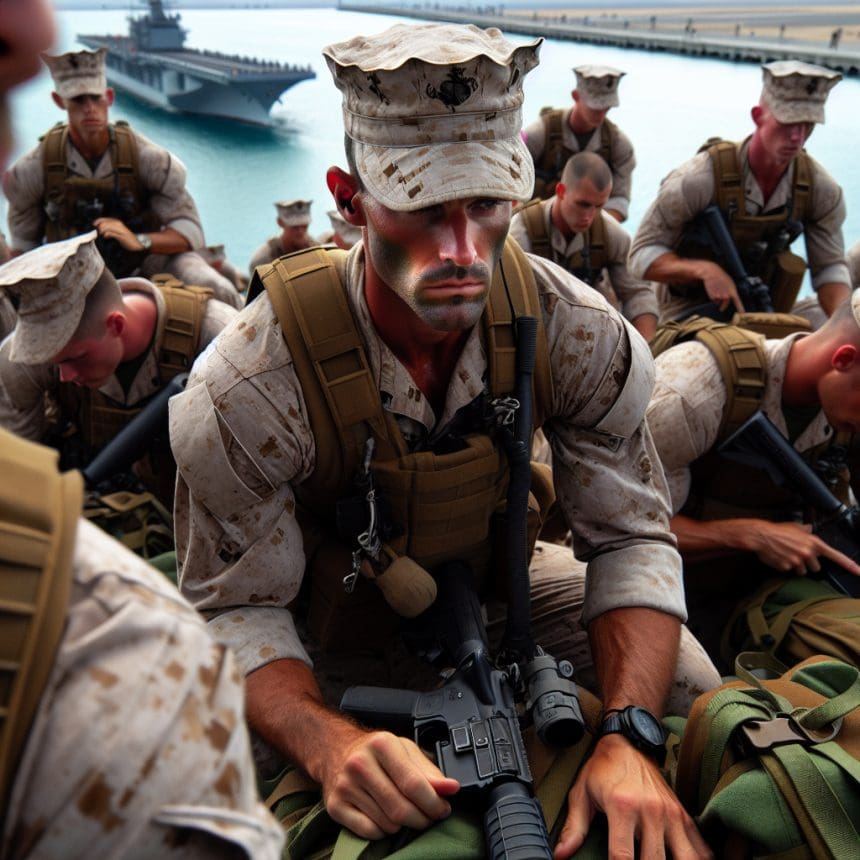
Headline: U.S. Deploys 2,500 Marines to Gulf Amid Rising Tensions
In a significant military maneuver, the United States is deploying 2,500 Marines to the Gulf region to bolster its presence amid escalating tensions with regional adversaries. This deployment, announced on Thursday, is set to take place over the coming weeks and aims to strengthen U.S. security interests in the Middle East. The decision is partly in response to heightened threats from hostile factions and aims to reinforce stability in the area.
As global tensions rise and complex geopolitical scenarios unfold, the significance of U.S. military presence in the Gulf cannot be overstated. The decision to send Marines is a critical measure intended to deter aggression and provide swift responses to any security threats that may arise. This move signifies a commitment to maintaining peace and stability in a region that has been historically fraught with conflict.
Why Now?
The timing of this deployment is crucial. Recent intelligence reports suggest an uptick in hostile activities by rogue states and militant groups in the Middle East, raising the alarm for immediate action. The U.S. has seen increasing threats to its allies and interests in the region, including potential naval confrontations and cyber threats. The decision to deploy personnel demonstrates a proactive approach to counter these challenges effectively.

Who are the Troops?
The contingent of 2,500 Marines consists of highly trained units skilled in rapid-response operations and amphibious warfare. These Marines are drawn from various bases across the U.S. and include specialized units capable of responding to a wide range of security threats. Their training emphasized quick, adaptable strategies to address the varied nature of confrontations they may encounter in the Gulf region.
What Will They Do?
The primary role of the deployed Marines will be to enhance the U.S. military’s capability to respond swiftly to potential crises. This includes:
-
Deterrence and Presence: A key function will be to deter potential aggressors from conducting hostile actions. The U.S. military presence serves as a powerful message that aggression will not be tolerated.
-
Humanitarian Aid and Disaster Relief: In addition to defensive operations, the Marines may also engage in humanitarian missions, providing aid and relief to nations affected by natural disasters or conflicts.
-
Joint Exercises: The Marines are expected to participate in joint military exercises with allied forces in the region. These exercises will enhance interoperability and readiness among coalition partners.
- Aiding Regional Stabilization: The Marines may play a role in supporting local governments and security forces in their battle against extremism and terrorism, assisting in building their capabilities to maintain peace and security.
Strategic Importance of the Gulf Region
The Gulf region is strategically critical for several reasons. It houses some of the world’s largest oil reserves and is a vital shipping corridor through the Strait of Hormuz, where approximately 20% of the world’s oil supply passes. Ensuring the security of this waterway is paramount not only for U.S. interests but for the global economy as a whole. Moreover, any disruption in this region can lead to significant increases in oil prices and economic instability worldwide.
Geopolitical Context
This deployment comes amid heightened tensions involving Iran, which has engaged in provocative actions in the region. The U.S. and its allies have expressed concerns regarding Iran’s missile programs and its support for proxy groups in countries like Yemen and Lebanon. The presence of U.S. Marines in the Gulf serves as a counterbalance to Iranian influence and reassures American allies in the region, namely Saudi Arabia, Israel, and the United Arab Emirates.
Reactions from Allies and Adversaries
International response to the announcement has been mixed. U.S. allies in the Gulf have welcomed the military buildup, interpreting it as a pledge of commitment to their security. Conversely, adversarial nations, particularly Iran, have condemned the deployment, framing it as an act of aggression. Iranian officials have threatened to respond to enhanced U.S. military presence, signaling that the situation could lead to further tensions.
Long-term Implications
The long-term implications of this deployment will depend largely on how the regional situation evolves. Should military confrontations or crises arise, the Marines will be pivotal in executing a range of operations, from defensive positioning to direct engagement, depending on the severity of the threat. Moreover, their prolonged presence could lead to changes in U.S.-Iran relations and influence the dynamics among Gulf nations.
Domestic Considerations
While the focus is largely international, the deployment has domestic implications as well. Discussions in Congress will likely center around defense budgets and military readiness, as lawmakers consider the resources necessary to support ongoing operations abroad. Additionally, public sentiment regarding military engagements might influence future decisions about troop deployment.
Conclusion
The decision to send 2,500 Marines to the Gulf marks a critical moment in U.S. foreign policy, reflecting a proactive approach to counter emerging threats. As the geopolitical landscape continues to evolve, the presence of these Marines will play a crucial role in maintaining balance and stability in a region marked by uncertainty. As the situation develops, monitoring the actions of both U.S. and regional forces will be essential to understanding the broader implications for peace and security in the Gulf.