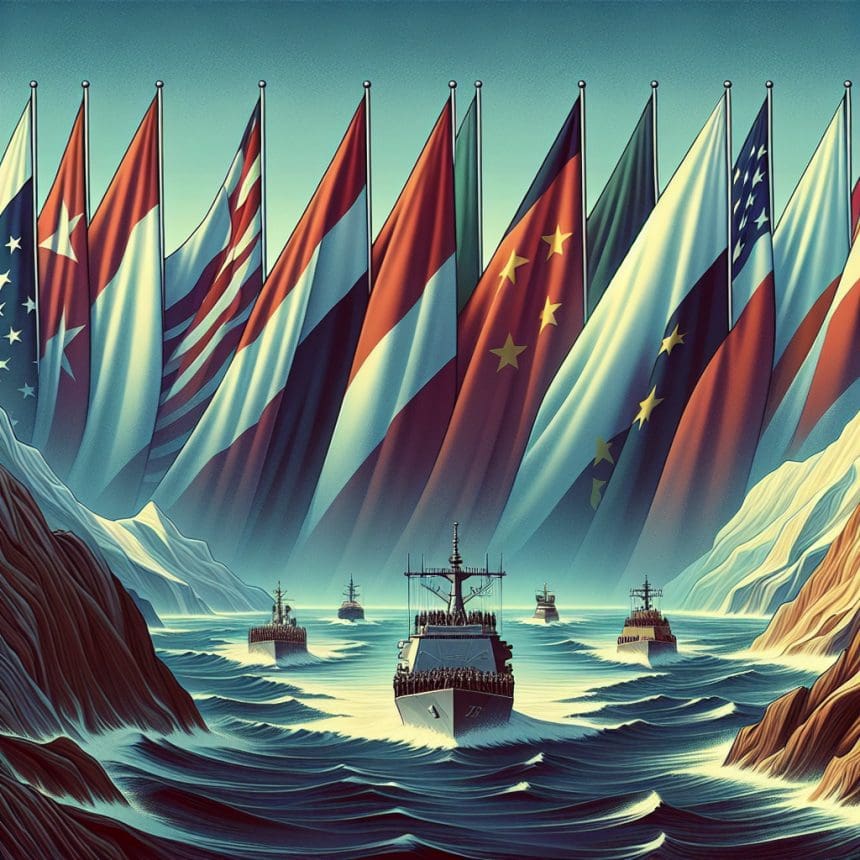
Headline: Allies Hesitant to Support Trump in Strait of Hormuz Tensions
In a notable shift in international relations, key U.S. allies are showing reluctance to support President Trump’s calls for increased military presence in the Strait of Hormuz. This development has emerged amid escalating tensions with Iran following a series of maritime incidents in the region, raising questions about the long-standing U.S. alliances and shared strategic interests among Western and Gulf nations.
The Strait of Hormuz, a critical chokepoint for global oil shipments, has become a focal point of geopolitical strife, especially after Iran’s recent threats to disrupt shipping lanes. While the U.S. has ramped up its naval deployments and sought coalitions to enhance maritime security, allies—including the United Kingdom, France, and other Gulf nations—are weighing the risks and implications of deeper military involvement.
One significant factor contributing to the hesitance of these allies is the context of their recent military engagements. The experience of prolonged conflicts, such as those in Iraq and Afghanistan, has caused many nations to adopt more cautious military strategies. They are wary of becoming entangled in another protracted crisis that could arise from active military support in the Strait of Hormuz, especially with an increasingly belligerent Iran.

Additionally, Europe’s strategic landscape is evolving. European allies have taken a more diplomatic approach in dealing with Tehran, particularly through the Joint Comprehensive Plan of Action (JCPOA), aimed at preventing Iran from developing nuclear weapons. As talks around the nuclear deal have stalled, these nations are cautious about taking actions that may exacerbate tensions with Iran and jeopardize any future negotiations.
Moreover, the withdrawal of the U.S. from the JCPOA in 2018 has left a legacy of mistrust among European allies. They fear that supporting U.S. military actions may further destabilize the already fragile situation in the region. Countries like Germany and France have urged for de-escalation and dialogue, opting for diplomatic solutions rather than military responses.
Economic considerations also play a pivotal role in the reluctance of allies to support the U.S. military buildup. The Strait of Hormuz is vital for oil supplies, and any military conflict in the area could have dire consequences for global oil prices. European nations, heavily reliant on energy imports, have voiced concerns that an escalation of conflict could adversely affect their economies, leading them to hesitate in backing U.S. initiatives that could provoke greater Iranian hostility.
The alliances formed during past global conflicts are being reassessed in light of current challenges. NATO allies, while sharing common interests, are navigating complex relationships with regional powers. Countries like Turkey, which have significant ties with Iran, are also cautioning against the potential fallout from U.S. military actions. This highlights that today’s geopolitical dynamics are not merely about historical alliances but rather a balancing act of immediate national interests.
During this ongoing situation, the U.S. has hosted high-level meetings with Gulf Cooperation Council (GCC) nations, attempting to build a consensus around a united front against Iranian threats. However, the reflation of anti-Iran sentiments in Washington has not translated into full-fledged support from its allies, mainly due to differences in threat perceptions, political objectives, and strategic calculus.
Public opinion in many of these allied countries also shapes these decisions. With citizens fatigued from years of military engagements abroad and dubious about the benefits of further intervention in the Middle East, governments are cautious about committing additional troops or resources. This sentiment underscores a broader trend wherein populations are increasingly demanding that their leaders focus on domestic issues rather than foreign conflicts.
As the U.S. stands firm on enhancing its naval presence in the Strait of Hormuz, the hesitance of allies may prompt Washington to reconsider its approach in securing multinational support for its initiatives. Should military tensions escalate further, the lack of coalition backing could significantly affect U.S. strategic posture in the region.
Internal divisions among U.S. allies could foster an environment in which Iran feels emboldened. Tehran has already exhibited defiant behavior, responding with threats to disrupt maritime navigation and engage in proxy operations throughout the region. The absence of a robust allied response could lead to Iran adopting more aggressive strategies that may jeopardize regional stability and U.S. interests.
Looking ahead, analysts warn that it’s crucial for the U.S. to recalibrate its strategies to foster coalition-building rather than unilateral military actions. Engaging in diplomatic dialogues and addressing the underlying grievances that fuel tensions in the region can create a more favorable atmosphere for collaborative security efforts.
The dynamic relationship between the U.S. and its allies concerning the Strait of Hormuz reflects broader global trends of shifting allegiances and the complexities of modern warfare. As nations navigate their interests and responsibilities, finding a balanced and unified approach to the challenges posed by Iran will require not only military readiness but also a commitment to diplomacy and stability.
Ultimately, as this situation evolves, it remains to be seen how the balance of power will be affected by the United States’ willingness to adapt its strategies, the actions of its allies, and Iran’s responses to perceived threats. The need for a cohesive approach to stabilize the Strait of Hormuz has never been more evident, but the path forward will demand a careful navigation of both national priorities and collective security obligations.