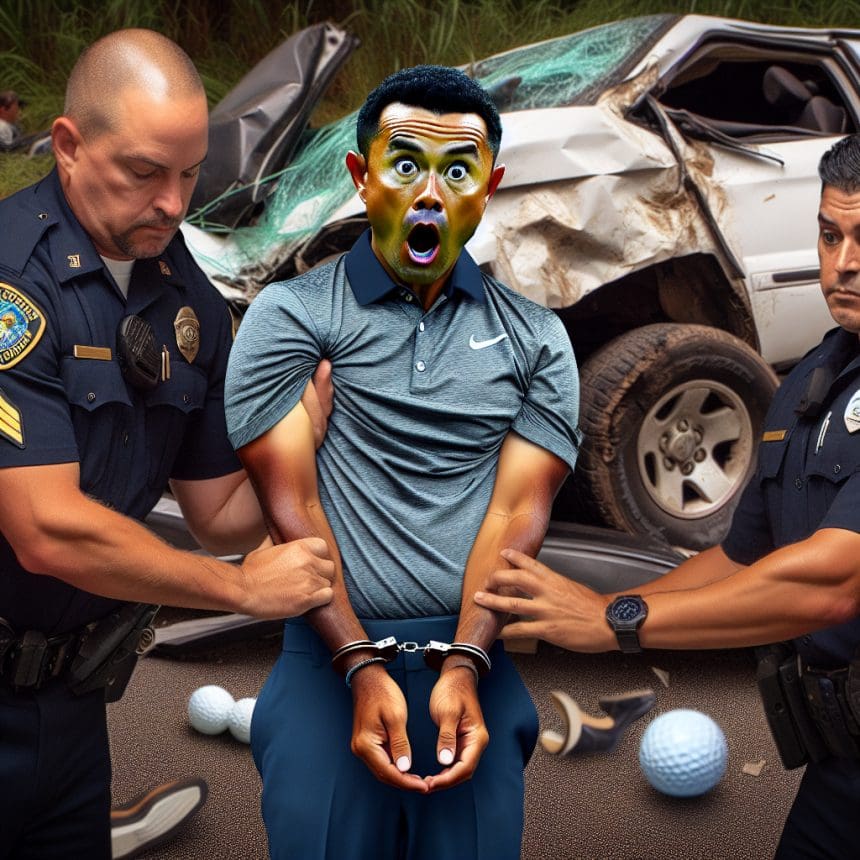
Tiger Woods Handcuffed After Florida Rollover Crash
Bodycam footage released from the February 23, 2021, rollover crash involving golf legend Tiger Woods reveals the golfer in a stunned state while handcuffed at the accident scene in Southern California. The Los Angeles County Sheriff’s Department published the footage as part of the ongoing investigation into the single-vehicle incident, which left Woods with severe injuries and sparked discussions about road safety.
The footage shows officers arriving on the scene, where Woods was found in his vehicle after losing control while driving at high speed. The bodycam clips depict the moments immediately following the crash, with Woods appearing dazed and confused but largely cooperative. Authorities noted that he was not charged with any substance-related offenses, indicating that impairment was not a factor in the crash.
Background of the Incident
Tiger Woods, known for his extraordinary talent in professional golf, was driving a 2021 Genesis GV80 SUV when the crash occurred in the Rancho Palos Verdes area just outside Los Angeles. Investigators determined that Woods was traveling at an estimated speed of 84 to 87 miles per hour just moments before the collision, exceeding the 45 mph speed limit in the area. The crash led to a significant rollover, resulting in extensive damage to the vehicle but fortunately did not involve any other parties.
Traffic investigators have linked the high speed to Woods’ loss of control, but they have not found any evidence that he was under the influence of alcohol or drugs at the time of the crash. Instead, Woods’ medical history, including previous surgeries on his back and legs, has been cited as a possible factor contributing to the incident, raising concerns about his physical capability to drive.

The Aftermath of the Crash
In the bodycam footage, officers can be seen assessing the situation, and their interactions with Woods reveal both his astonishment at the ordeal and their efforts to ensure his safety and clarity throughout the encounter. The golf star, visibly shaken, was evaluated at the scene and shortly thereafter transported to the hospital, where he underwent emergency surgery for multiple leg fractures.
The news of Woods’ crash sent shockwaves through the sports community, with fans and fellow athletes alike expressing their support and concern. His recovery has been a prolonged journey, with Woods sharing updates through his social media channels. These updates reflect his determination to return to the game he loves, demonstrating resilience despite significant physical challenges.
Broader Implications and Safety Concerns
This incident has reignited conversations about the responsibilities of high-profile athletes in maintaining safety standards, especially when it comes to driving behaviors. Woods has made headlines for his personal struggles in the past, but this latest crash has prompted discussions about the impacts of fame, mental health, and pressures that athletes face.
Experts have pointed out that many drivers may be unaware of how distracted or disoriented they can become when under stress, and Woods’ public persona adds another layer of scrutiny. The increase in high-speed incidents and the potential for serious injuries when driving at such speeds raises questions regarding driver education and awareness of road safety.
Conclusion
As the investigation continues, Woods’ accident serves as a crucial reminder of the unpredictability of life, irrespective of fame and success. The release of bodycam footage brings attention not only to the events surrounding the incident but also to the aftermath and the recovery journey he faces. With many hope-filled messages supporting hastening his return to golf, this incident highlights the volatility of both celebrity life and the human experience.
As Woods progresses through his recovery, fans, fellow athletes, and road safety advocates alike will be eager to see how he manages to navigate this challenging chapter. His unfortunate accident, while serious, may open the door for further discussions about mental health, pressure among professional athletes, and the importance of responsible driving—topics that will remain relevant for years to come.
In the broader social framework, the incident has prompted more focused discussions on how stakeholders within professional sports can better equip athletes with the tools they need to manage stress, make informed decisions, and prioritize road safety.
While many await his return to the golf course, Woods’ experience is bound to serve as a poignant lesson on the challenges faced by athletes behind the wheel—an issue that transcends sports and speaks to all drivers.