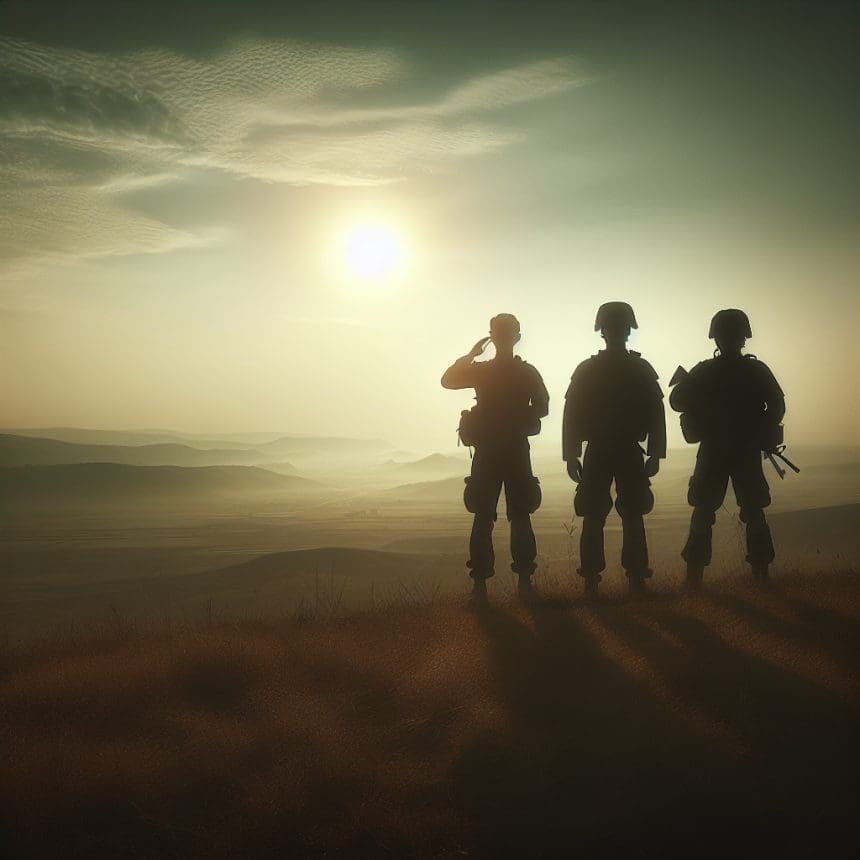
Headline: Tragedy Strikes: 3 Indonesian UN Peacekeepers Killed in Lebanon
In a grim turn of events, three Indonesian UN peacekeepers were tragically killed within a span of 24 hours in southern Lebanon, prompting widespread condemnation and urgent calls for enhanced safety measures for international forces operating in volatile regions. The casualties occurred during a series of violent clashes as tensions escalated in the area late last week, underscoring the precarious nature of peacekeeping missions in conflict zones. This incident raises serious questions about the security protocols in place for peacekeepers tasked with stabilizing regions plagued by unrest.
The fatalities mark a significant loss for the United Nations Interim Force in Lebanon (UNIFIL), which has a longstanding mission aimed at monitoring ceasefires, facilitating humanitarian aid, and assisting the Lebanese Armed Forces. Local reports indicate that the peacekeepers were conducting routine patrols in a region previously deemed relatively peaceful, making the surprise violence all the more shocking to both their families and the international community. The UN Secretary-General strongly condemned the attacks, calling for a thorough investigation and an immediate end to the violence.
Indonesian President Joko Widodo expressed his sorrow and outrage over the incident, labeling the attacks as unacceptable and reaffirming Indonesia’s commitment to peacekeeping efforts worldwide. He emphasized the need for enhanced protective measures for peacekeepers deployed in conflict zones, urging the international community to prioritize their safety. This sentiment resonates across the global peacekeeping community, which faces increasing challenges as the nature of conflicts evolves and new threats emerge.

As the news of the casualties spreads, it underscores a growing concern regarding the security of UN peacekeepers globally. In recent years, various peacekeeping missions have faced escalating violence, often at the hands of armed groups that view international forces as impediments to their agendas. The unpredictability of the situations peacekeepers encounter poses significant risks to their safety, particularly in regions like Lebanon, where political and sectarian tensions remain high.
The United Nations has recognized the challenges of modern peacekeeping and has made efforts to enhance the safety and effectiveness of its missions. Initiatives such as improved training for personnel, better intelligence-sharing among agencies, and the provision of advanced equipment have been introduced. However, grave incidents like these highlight the need for continuous evaluation and reinforcement of safety strategies.
The Indonesian peacekeepers, who have been part of UNIFIL since 2006, have played a crucial role in fostering stability in southern Lebanon, an area that has experienced its share of turmoil due to regional conflicts, including the ongoing Syrian civil war and tensions between Israel and Hezbollah. The loss of these dedicated individuals serves as a stark reminder of the sacrifices made by peacekeepers striving to maintain order in one of the world’s most complex geopolitical landscapes.
In light of this tragic incident, it is essential for the international community to take a united stance, condemning such acts of violence and reinforcing their support for peacekeeping missions. Collaboration among nations in sharing intelligence and resources is vital to protecting those who risk their lives to uphold peace and security. Furthermore, the UN may need to reassess existing operational frameworks to ensure that peacekeepers are shielded from evolving threats.
As investigations into the attacks are underway, the Indonesian government is likely to demand accountability for those responsible while seeking assurances from the UN regarding the safety of their troops. Families of the fallen peacekeepers are mourning their loss, a poignant reminder of the human cost of maintaining peace in tumultuous regions.
This incident has also prompted reactions from various humanitarian organizations and rights groups, who emphasize the importance of prioritizing the safety of all personnel involved in conflict zones. With ongoing global tensions, it is imperative that lessons are learned and measures are implemented to avert tragic events like this in the future.
As the world watches closely, the fate of peacekeeping efforts in Lebanon hangs in the balance. The international community must remain vigilant and proactive in providing the necessary support and resources to ensure that peacekeepers can conduct their missions safely and effectively. In doing so, it honors the memory of those who have made the ultimate sacrifice in the pursuit of peace.
The loss of three Indonesian UN peacekeepers in southern Lebanon is not just a national tragedy but a reminder of the risks faced by thousands of peacekeepers around the globe. As Indonesia mourns the fallen, questions linger about how to better protect those devoted to the cause of global peace. With a commitment to learn from this incident, there exists an opportunity for the international community to bolster its peacekeeping framework and address the needs of those who are committed to serving in the world’s most challenging environments.
In conclusion, the deaths of these Indonesian peacekeepers serve as a somber wake-up call, prompting urgent dialogue on the complexities of peacekeeping in modern conflicts. As nations come together to address these challenges, the global community must stand united in its pursuit of peace and safety for all those who serve on the front lines. The shared commitment to safeguarding the lives of peacekeepers will be crucial in shaping the future of international peacekeeping efforts and ensuring that such tragedies do not occur again.