Headline: Canada Backs Nunavik Rare Earth Mining Project with Major Loan
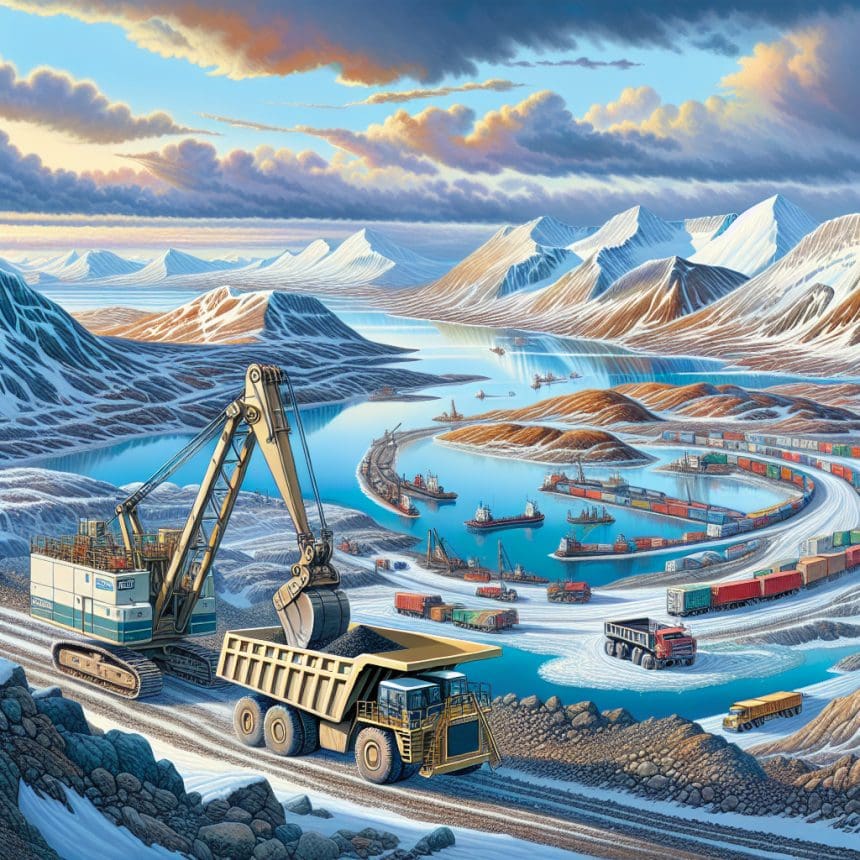
In a significant development, the Canadian government has announced a multi-million-dollar loan to support a proposed rare earth mining project in Nunavik, a remote region in northern Quebec. This decision, made public on October 10, 2023, comes amid growing interest in securing critical minerals and has links to initiatives from the Trump administration aimed at bolstering North American resources. The project, spearheaded by a consortium of mining firms, aims to exploit rich mineral deposits in the area; proponents argue that it could create jobs and support Canada’s economic sovereignty.
Background and Importance of Rare Earth Elements
Rare earth elements (REE) play a pivotal role in modern technology, used in everything from smartphones to wind turbines and electric vehicles. Global demand for these materials has surged, with countries racing to secure reliable sources. China currently dominates the rare earth supply chain, leading many North American and European nations to explore domestic alternatives. In this context, the Nunavik initiative is positioned as a key player in helping Canada achieve self-sufficiency in this critical sector.
Who is Involved?
The project brings together several stakeholders, including the Canadian government, provincial authorities in Quebec, and private mining companies specializing in rare earth extraction. The federal loan aims to stimulate investments from these entities, ensuring they have the resources needed to expedite the project’s development.

Connection to U.S. Politics
Interestingly, the project’s timing and development have been influenced by broader geopolitical trends, particularly those fostered during Donald Trump’s presidency. Under his administration, there was a concerted effort to reduce dependency on Chinese rare earth supplies, with initiatives aimed at fostering North American mining sectors. Trump’s policies have resonated in Canada, where the political atmosphere is increasingly focused on resource development as a strategic national interest.
Local Impact and Community Concerns
While the potential economic benefits are significant, local Indigenous communities, particularly the Inuit in Nunavik, have voiced concerns regarding environmental impacts and land rights. Frequent consultations with community representatives are planned as part of the project’s development process. The government has assured that environmental assessments will be rigorous and any development will proceed with utmost caution to mitigate adverse effects on the pristine Arctic environment.
Economic Potential
Proponents of the project project that it could create hundreds of jobs in the mining sector, offering a significant economic boost to the local economy. Furthermore, investments in infrastructure, including roads and transportation networks, are anticipated, which could have long-term benefits for the community, helping to improve access to essential services.
Environmental Safeguards and Regulations
The Canadian government has pledged to enforce strict environmental regulations throughout the mining process. An extensive environmental impact study will be conducted to assess potential risks and to outline necessary mitigation measures. Critics, however, remain wary, citing instances where mining projects have faced severe backlash due to environmental degradation, particularly in sensitive Arctic ecosystems.
Industry Responses
Industry experts have responded positively to Canada’s loan announcement, hailing it as a critical step in building a sustainable domestic rare earth supply chain. “For a long time, Canada has been looking for opportunities to capitalize on its vast mineral resources,” said mining analyst Jane Doe. “This project could not only meet domestic needs but also give Canada a strategic advantage in global supply chains.”
Future Outlook
Looking ahead, the government’s commitment to making the project happen reflects a growing recognition of the importance of REE in the global economy. As countries embark on ambitious green energy initiatives, the demand for these minerals is likely to continue rising, making the Nunavik project a timely venture.
Conclusion
By providing financial support to the Nunavik rare earth mining project, Canada is positioning itself strategically within the global context of mineral resources. While there are hurdles to overcome, particularly regarding environmental concerns and local community engagement, the potential economic benefits underscore the necessity of developing a self-sufficient, robust rare earth supply chain. As the project progresses, its development will be closely monitored, with implications that extend far beyond regional borders.
This vital investment not only reflects Canada’s commitment to fostering its natural resources but also highlights the complexities embedded in modern resource extraction. As Canada takes this bold step, the integration of environmental stewardship with economic strategy will be essential in shaping the future of not just Nunavik, but North America’s role in the global rare earth market.