
The Strait of Hormuz has reopened to commercial shipping as tensions surrounding Iran begin to ease, offering cautious optimism to global markets.
A temporary ceasefire is holding, reducing immediate risks to oil supply and international trade routes.
However, the situation remains fragile, with military presence and uncertainty still shaping the region’s outlook.
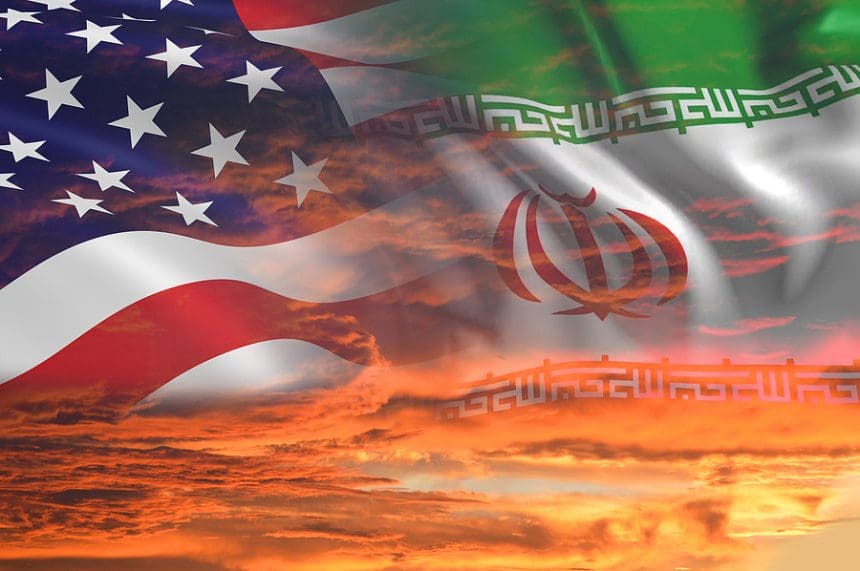
(STL.News) The geopolitical situation involving Iran has shifted into a more stable—but still uncertain—phase as of April 17, 2026. After weeks of heightened tension that threatened global energy supply and international shipping, key developments have brought a measure of relief. The reopening of the Strait of Hormuz and the implementation of a ceasefire have reduced immediate fears, though the broader conflict is far from resolved.
Strait of Hormuz Reopens Under Tight Oversight
The Strait of Hormuz, one of the most strategically important waterways in the world, is now open again to commercial vessels. This narrow passage is responsible for moving a significant portion of the world’s oil supply, making any disruption a global concern.
While shipping has resumed, operations are not entirely back to normal. Movement through the strait is being carefully managed, with heightened oversight and security protocols in place. Ships are navigating designated routes, and traffic is being monitored closely to prevent further escalation or incidents.
This controlled reopening reflects a compromise—allowing global trade to continue while maintaining a strong security posture in a sensitive region.

Ceasefire Brings Temporary Stability
A ceasefire agreement has helped calm immediate hostilities in the region, particularly in areas connected to the broader conflict. The pause in active fighting has provided an opportunity for diplomatic efforts to take hold and for markets to stabilize.
However, the ceasefire is widely viewed as temporary. It depends on ongoing negotiations and compliance by multiple parties, each with its own strategic interests. While it has reduced the intensity of the conflict, it has not resolved the underlying issues that led to the escalation.
As a result, the situation remains fluid and subject to change.
Continued Military Presence Signals Ongoing Tension
Despite the ceasefire and reopening of shipping lanes, military forces remain active in the region. Naval assets continue to operate in and around the Strait of Hormuz, ensuring security while also maintaining pressure on key players involved in the conflict.
This dual dynamic—commercial access alongside military oversight—highlights the complexity of the situation. While trade is being allowed to flow, strategic positioning remains firmly in place, signaling that tensions have eased but not disappeared.
Energy Markets React Quickly
Global energy markets responded almost immediately to the improved conditions. Oil prices, which had surged during the height of the conflict, began to decline as fears of supply disruption eased.
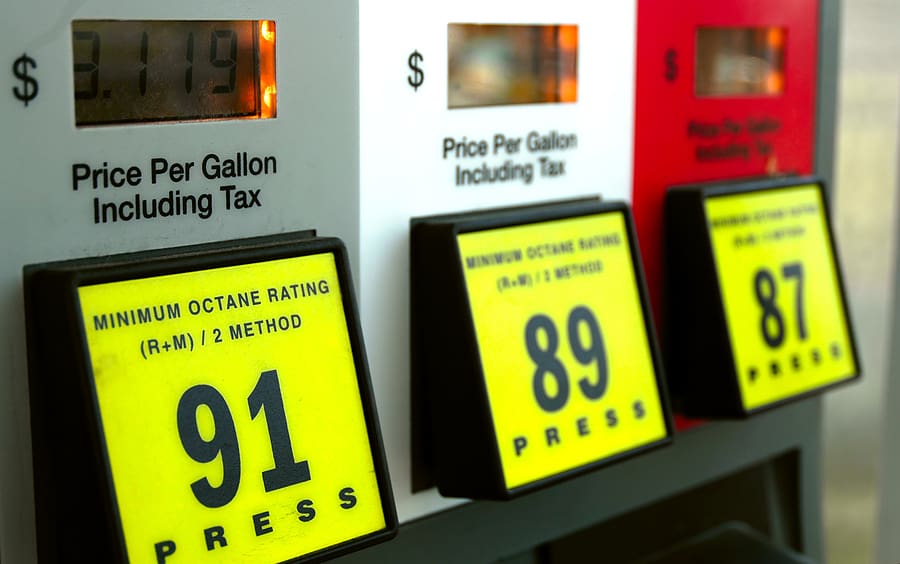
This shift has broader economic implications. Lower oil prices can reduce inflationary pressures, support economic growth, and provide relief to consumers—particularly through lower gasoline prices.
However, the recovery in supply is still in progress. The earlier disruption created ripple effects that will take time to fully unwind.
Long-Term Impact on Oil Supply
Although the Strait of Hormuz is open again, the conflict has already caused significant disruption to energy production and transportation. Infrastructure damage, logistical challenges, and shifts in global supply chains may take months to fully resolve.
This means that while immediate risks have been reduced, the long-term impact on oil markets could continue to influence pricing and availability.
Risks Remain Elevated
Even with recent improvements, several key risks continue to shape the outlook:
Fragile Ceasefire
The ceasefire could break down if negotiations fail or if new incidents occur. The agreement is temporary and does not represent a permanent resolution.
Potential for Renewed Disruption
Shipping through the Strait of Hormuz remains vulnerable. Any escalation could quickly lead to restrictions or closures once again.
Ongoing Strategic Conflict
The broader geopolitical conflict involving Iran and other global powers is still active. Military positioning and economic measures continue to play a role in shaping the situation.
What This Means for the Global Economy
The reopening of the Strait and the reduction in immediate conflict risk are positive developments for the global economy. Stable energy supply is critical for economic growth, and even a temporary easing of tensions can improve market confidence.
Financial markets have already responded with increased optimism, reflecting expectations of improved stability. However, that confidence is closely tied to the continuation of current conditions.
If stability holds, economic momentum could strengthen. If tensions return, volatility could increase rapidly.
Bottom Line
The latest developments surrounding Iran and the Strait of Hormuz point to a meaningful, though temporary, de-escalation. The reopening of a critical global shipping route and the implementation of a ceasefire have reduced immediate risks and improved market sentiment.
At the same time, the situation remains fragile. Military presence continues, underlying tensions persist, and the ceasefire depends on ongoing cooperation.
For now, the crisis has shifted from escalation to stabilization—but the path forward remains uncertain.
More General News stories published on STL.News:
- Gas Prices Begin to Ease as Global Tensions Cool: What Consumers Should Expect Next
- Missouri Income Tax Elimination Plan: Tax Relief or Hidden Cost?
- Missouri Income Tax Elimination Plan Clears Senate
- Why Gas Prices Matter: What St. Louis Drivers Need to Know
- Why Truck Accident Claims Take Longer to Resolve
© 2026 St. Louis Media, LLC d.b.a. STL.News. All rights reserved. No content may be copied, republished, distributed, or used in any form without prior written permission. Unauthorized use may result in legal action. Some content may be created with AI assistance and is reviewed by our editorial team. For official updates, visit STL.News.